Putting real people into a 3D card
Before the space station, we tried to turn an ordinary phone photo into a living card: a cartoon 3D figure made from the photo, the photo itself popped out with depth, and the photo brought to life inside a picture frame. These are the original test pictures and captures, exactly as they were made.
The couple and the woman are AI-made stand-ins for a customer's upload, not real people. Nothing here was newly generated.
The real cards, live
These are the working 3D cards, not pictures. On a computer, move the mouse over the card to tilt it. On a phone, tap the card once, allow motion if it asks, then tilt the phone. Tap her to wave, tap the lawn to walk, switch the photo's background, tap the Christmas frame.
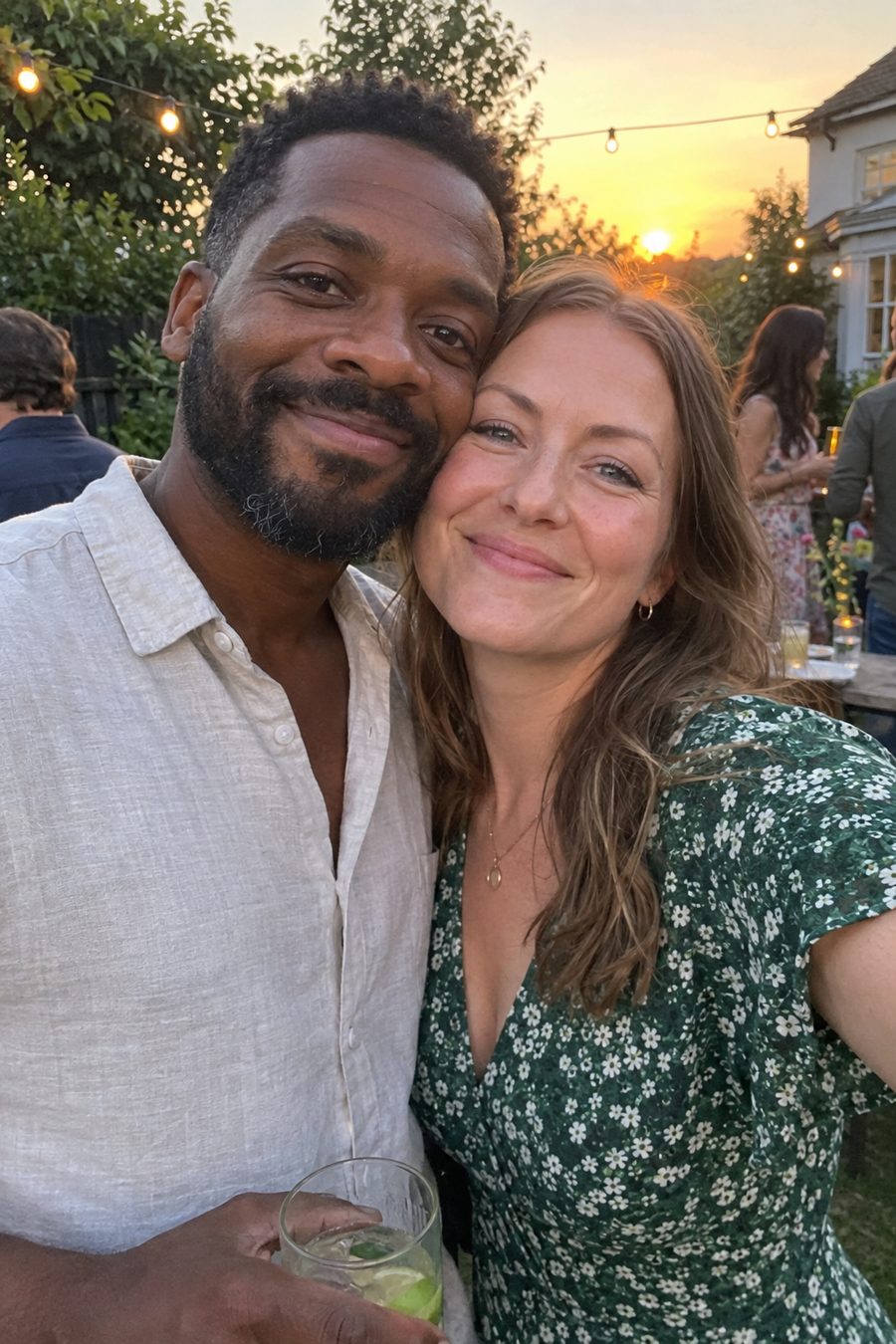
The starting photo
A casual garden-party selfie, the kind a customer would upload. Every test below starts from this one picture.
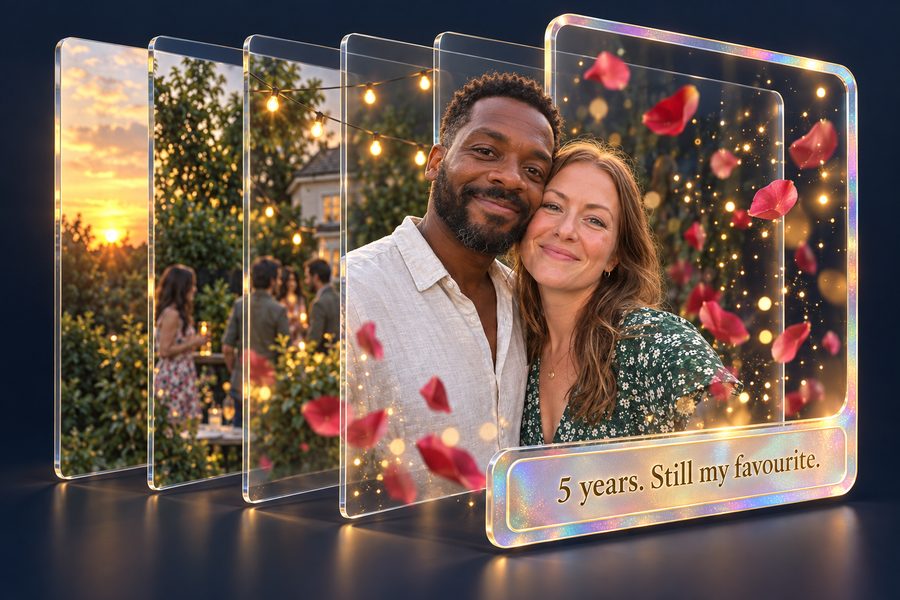
First ideas, as pictures
Concept pictures of what a personalised card could look like, made before anything was built. They are mock-ups, not working cards.
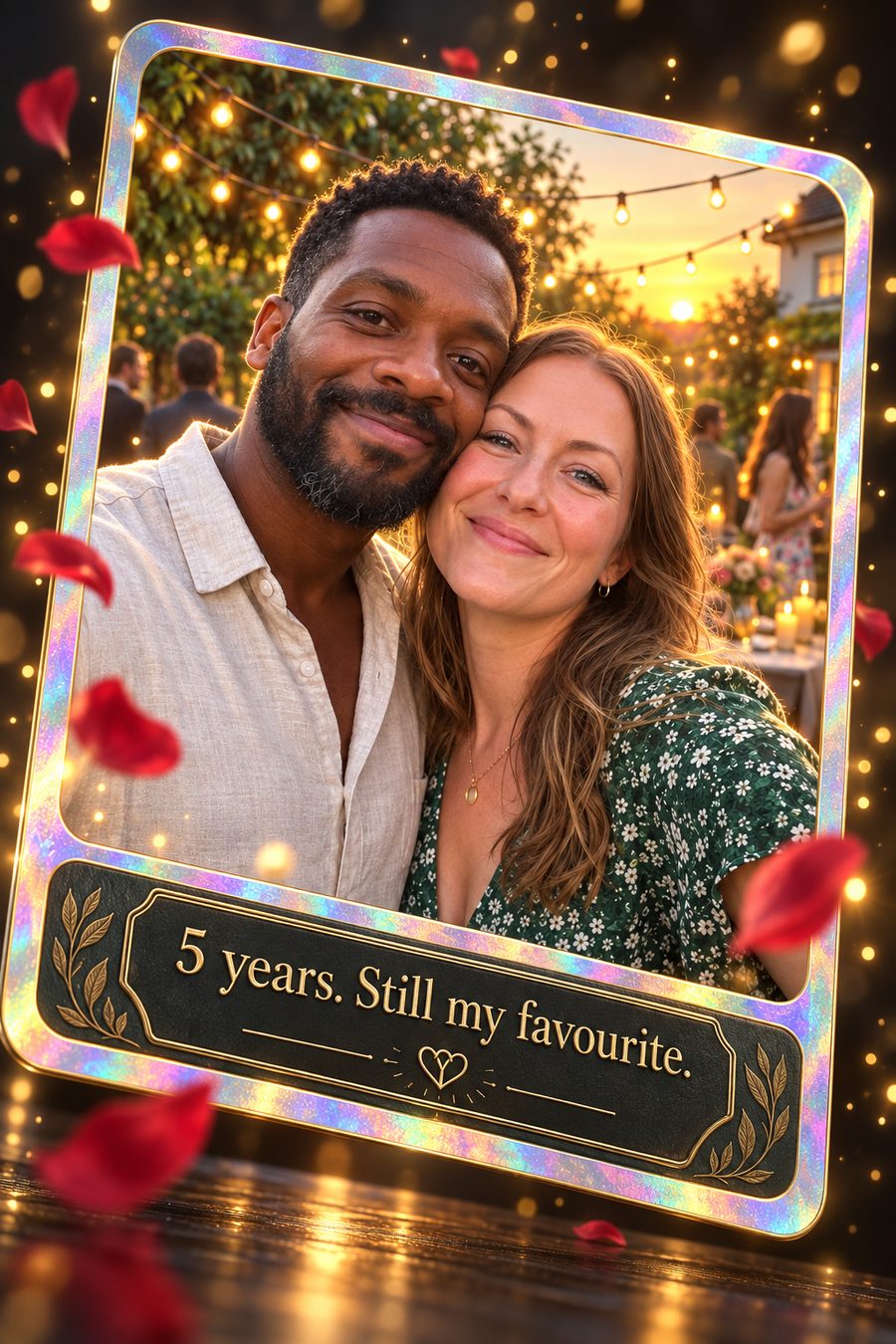
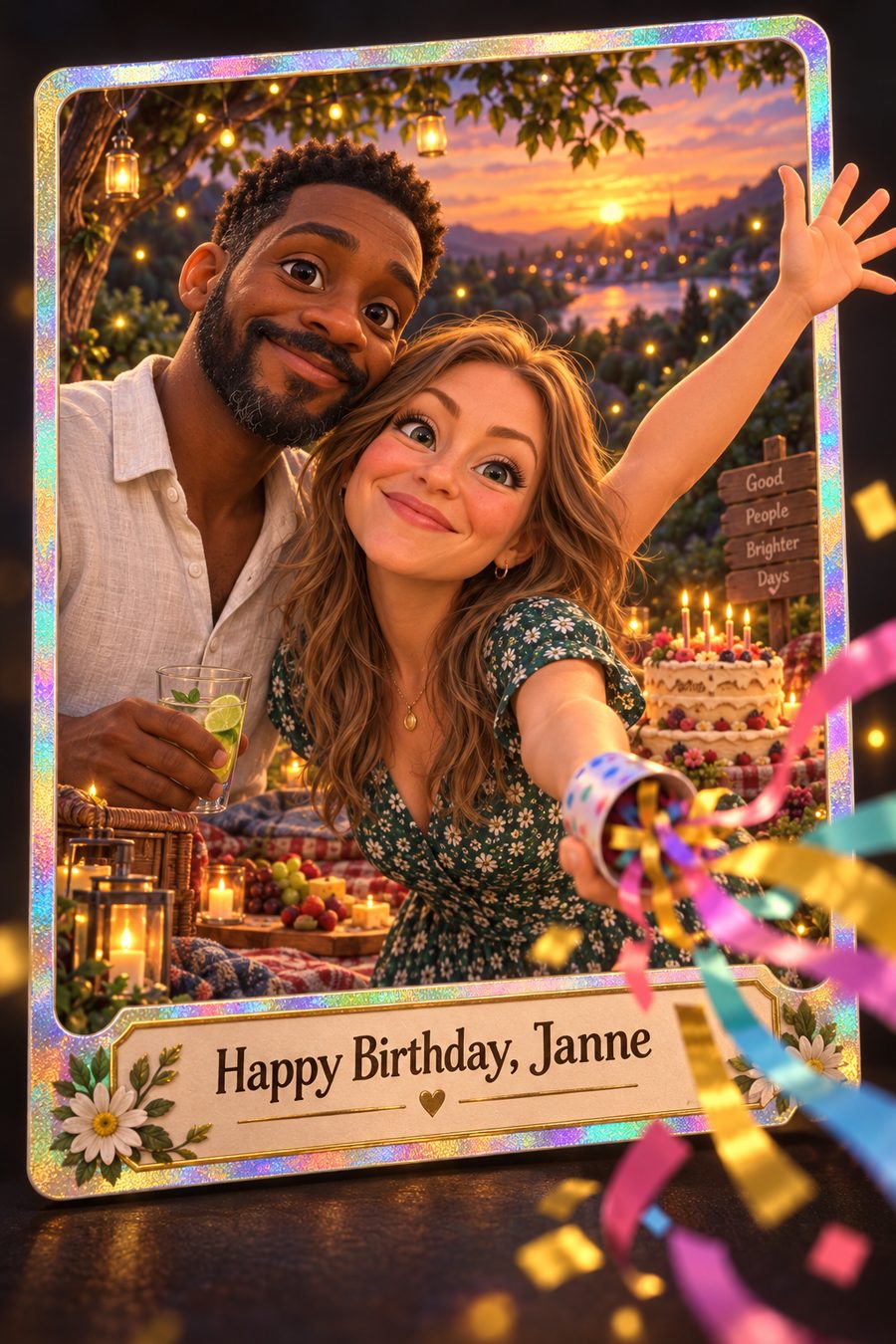
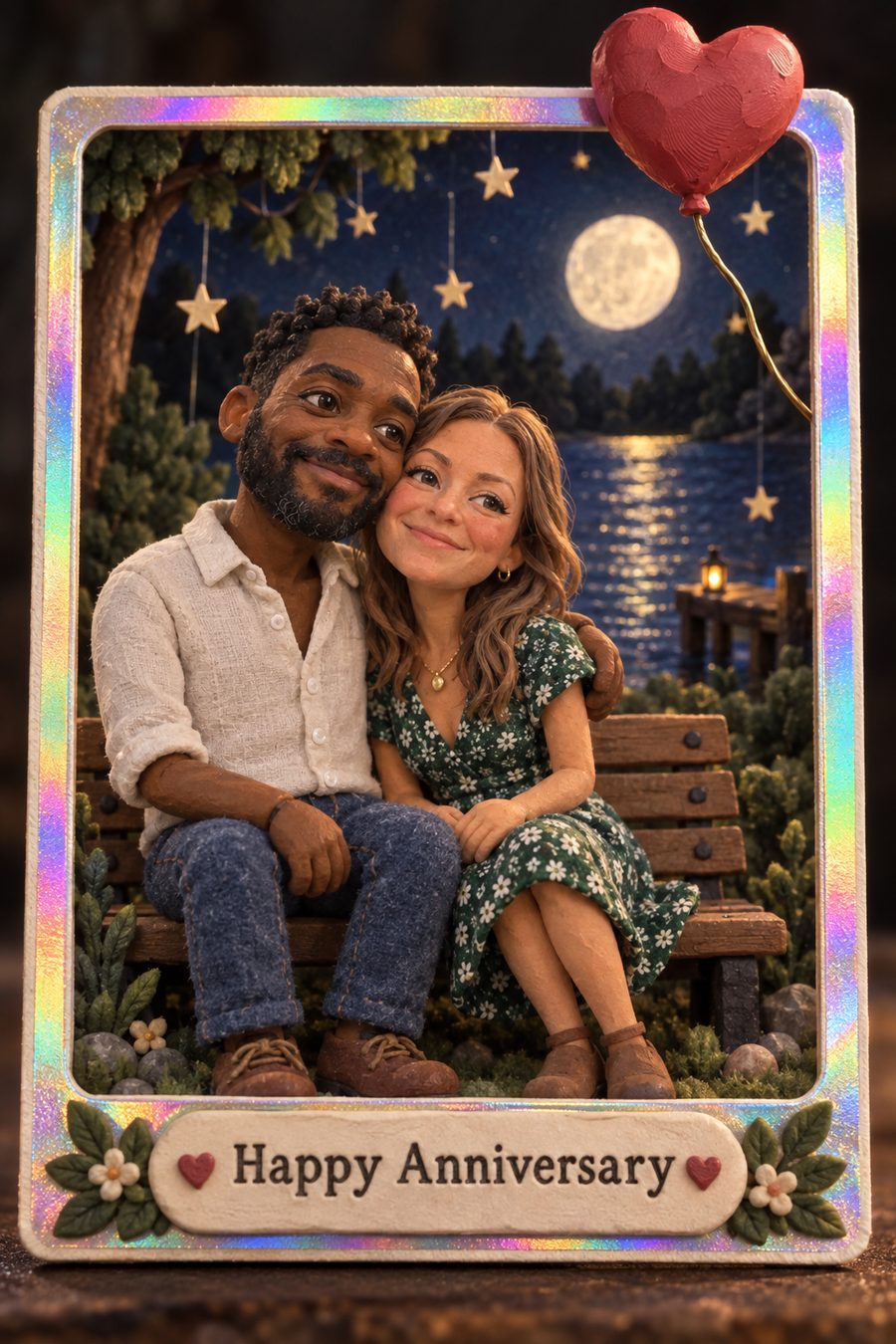
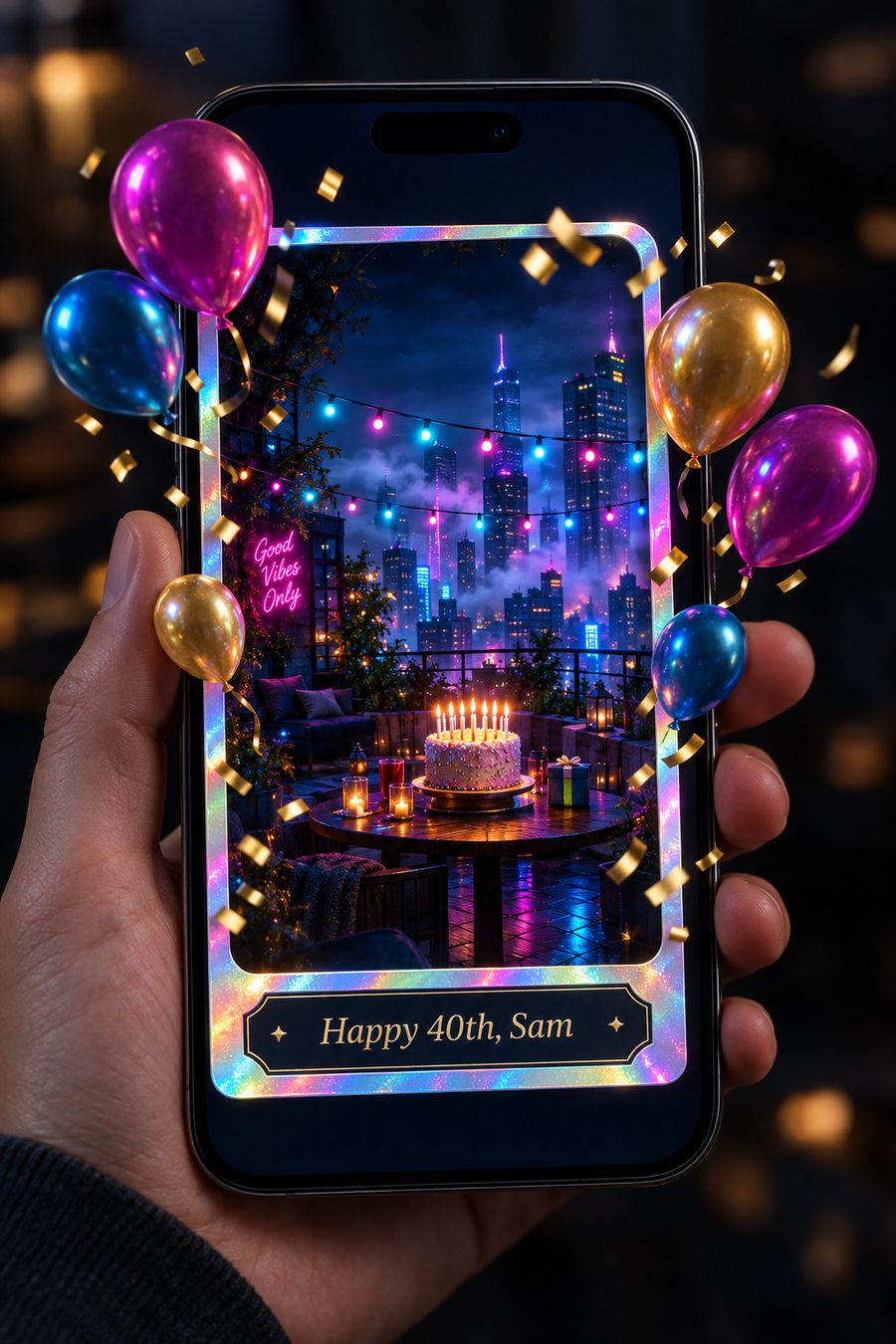
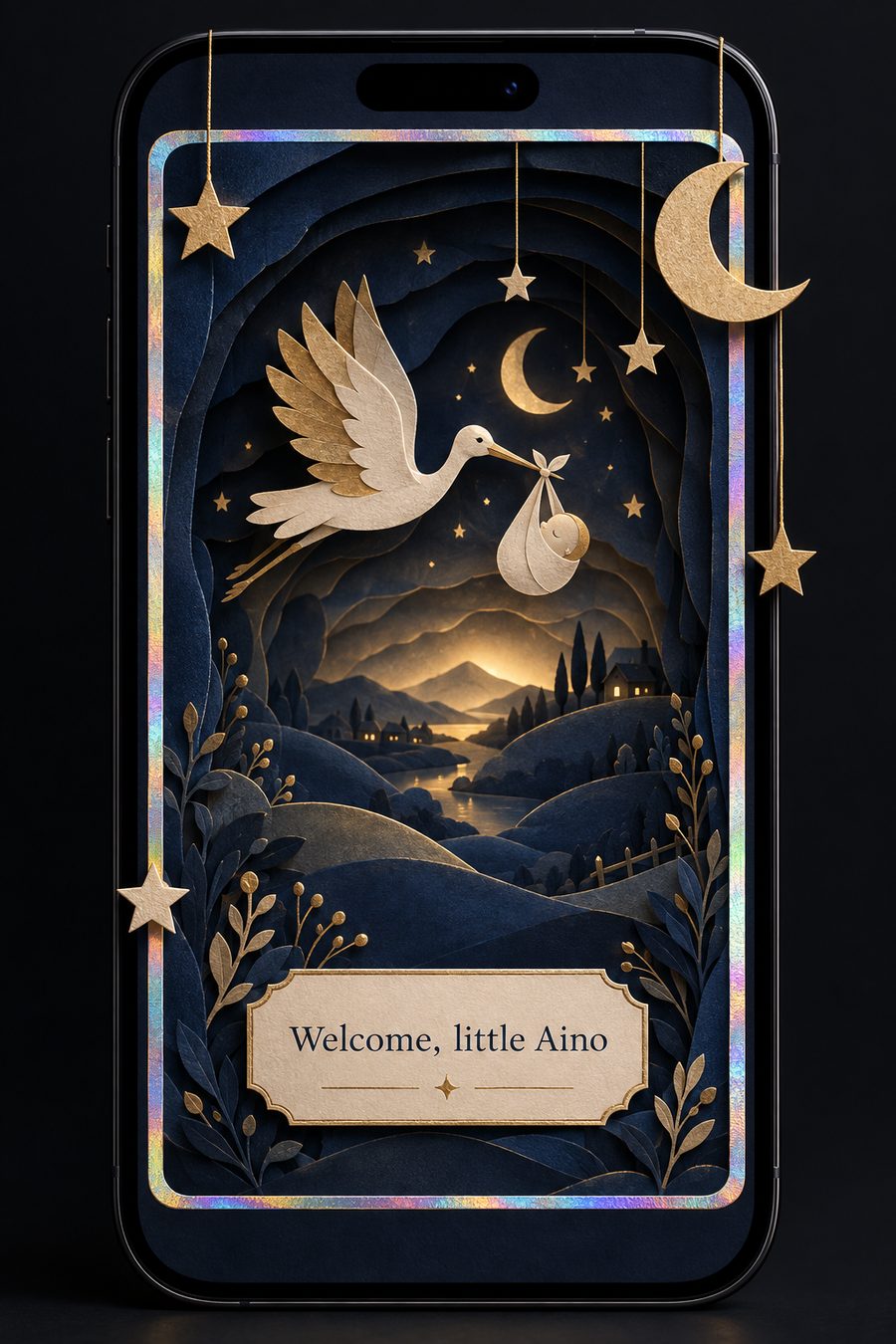
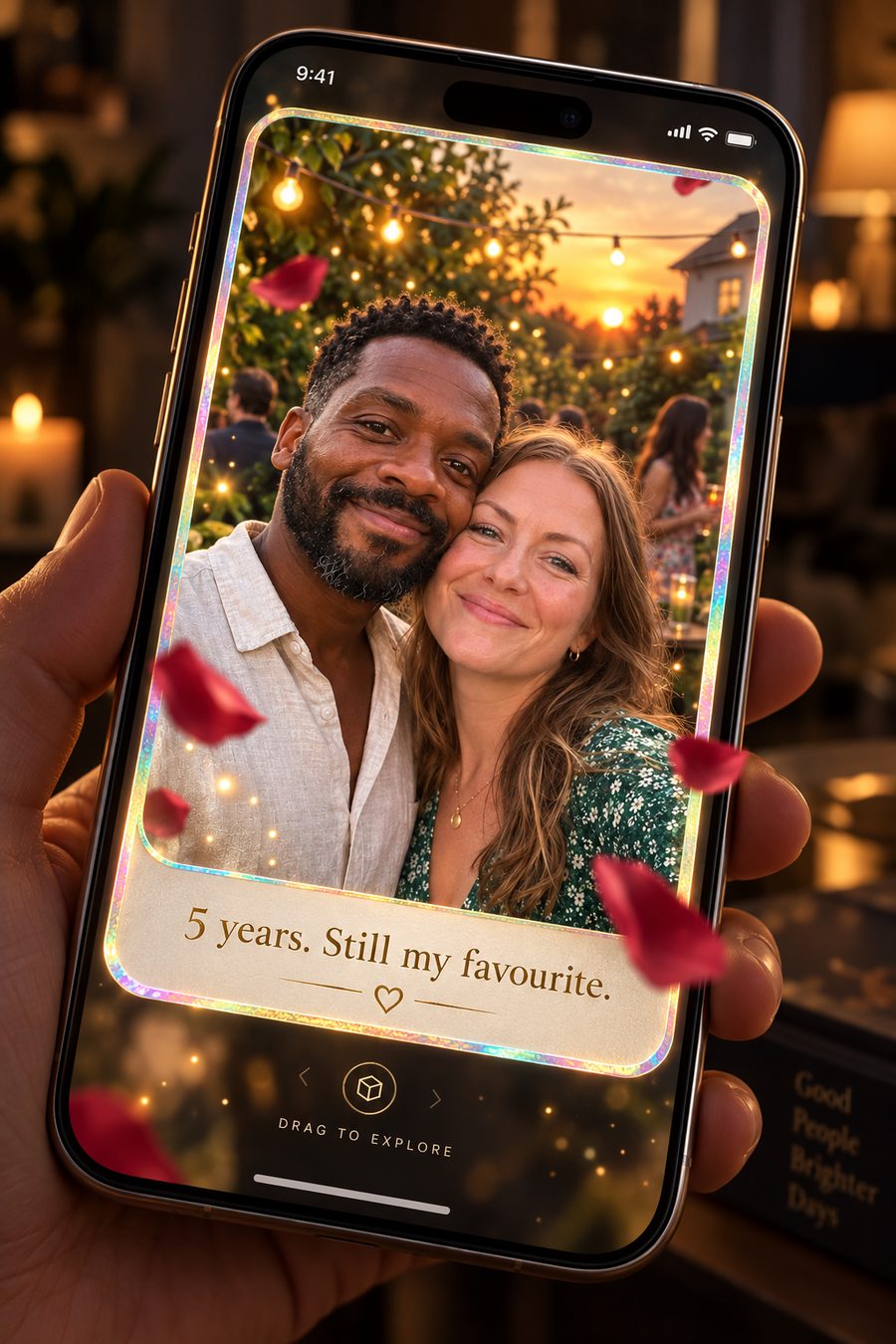
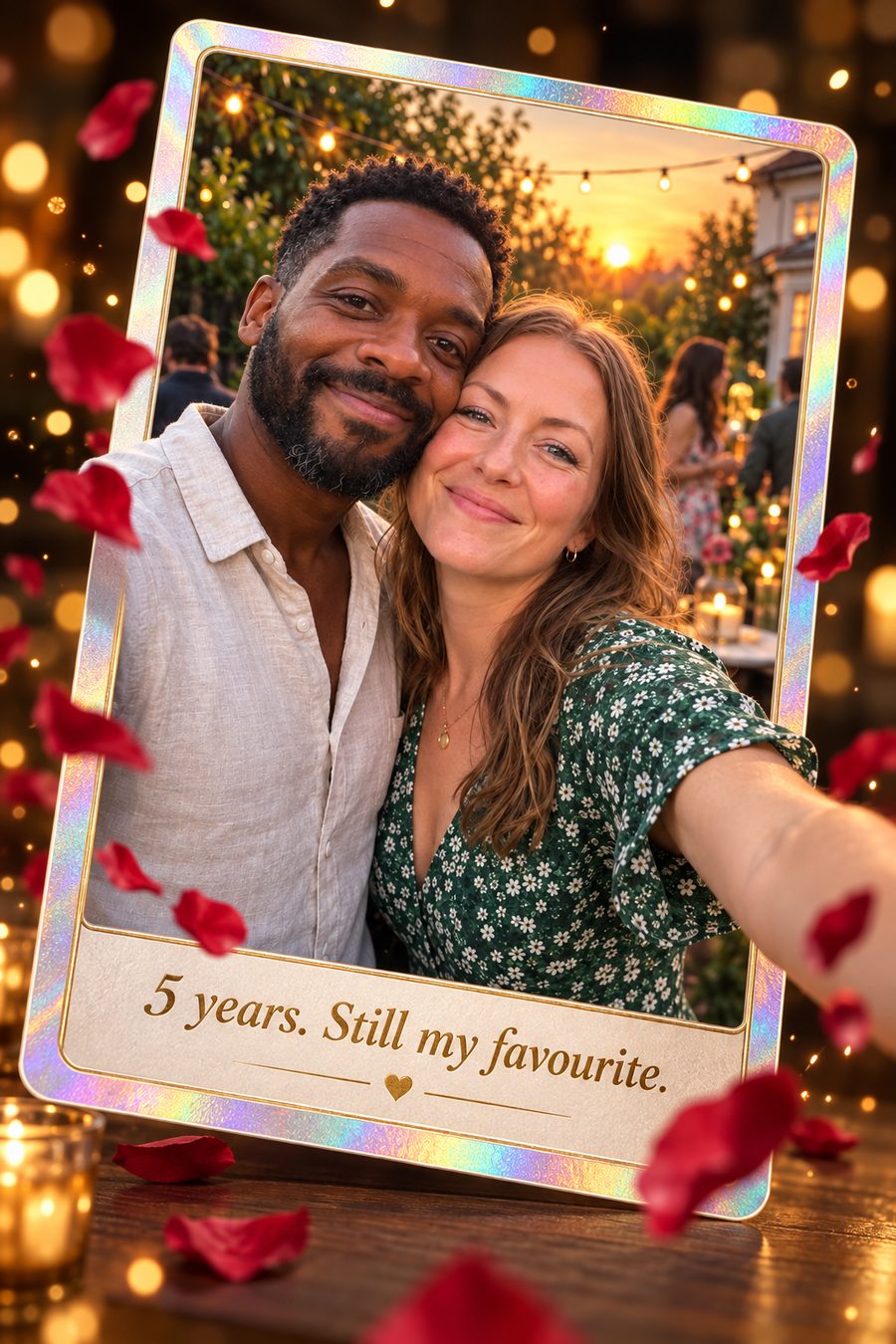
A photo turned into a 3D figure
The woman from the photo, redrawn as a cartoon, then turned into a rigged 3D model that stands on a painted lawn. Tap her and she waves; tap the lawn and she walks there, then turns back to you.
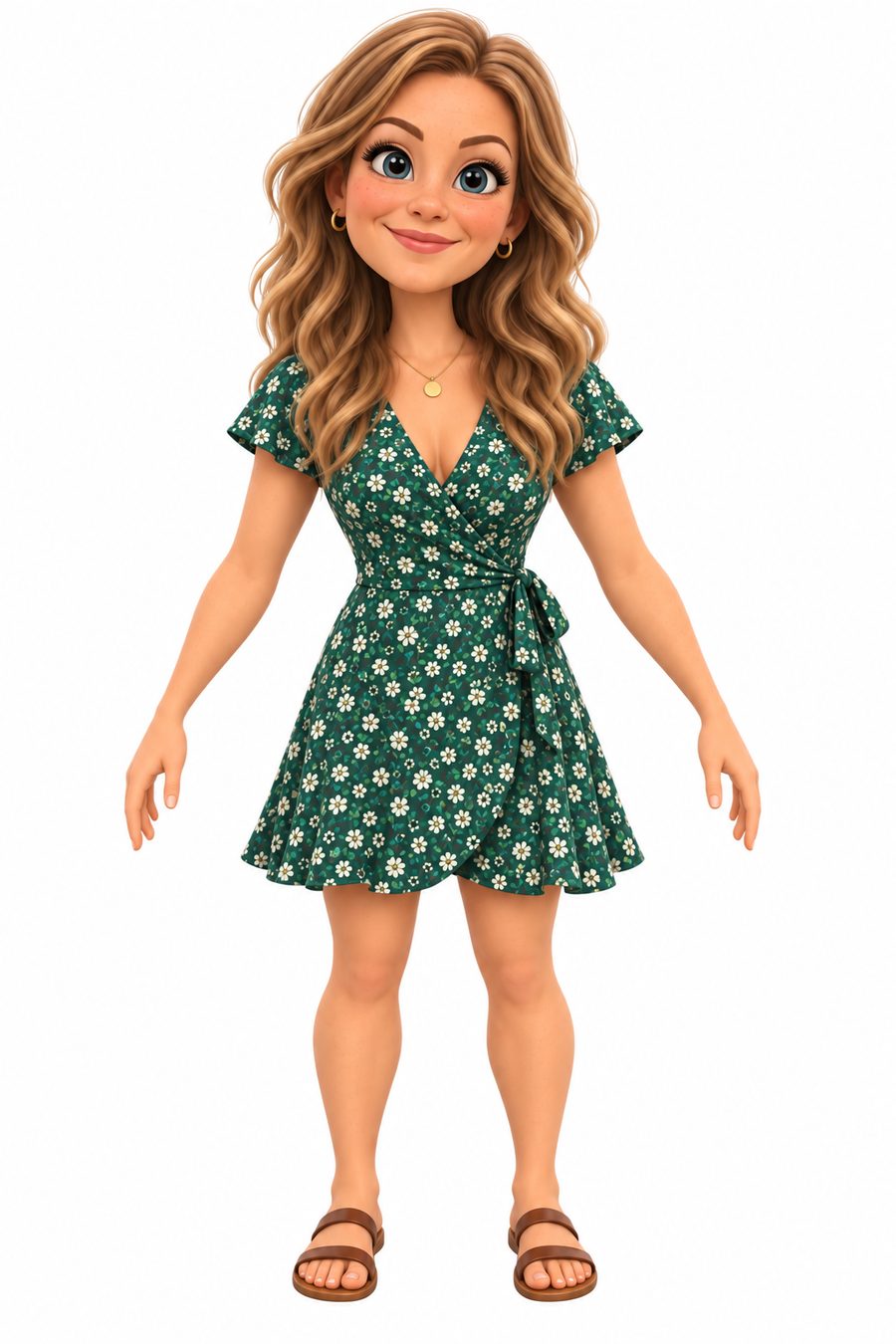
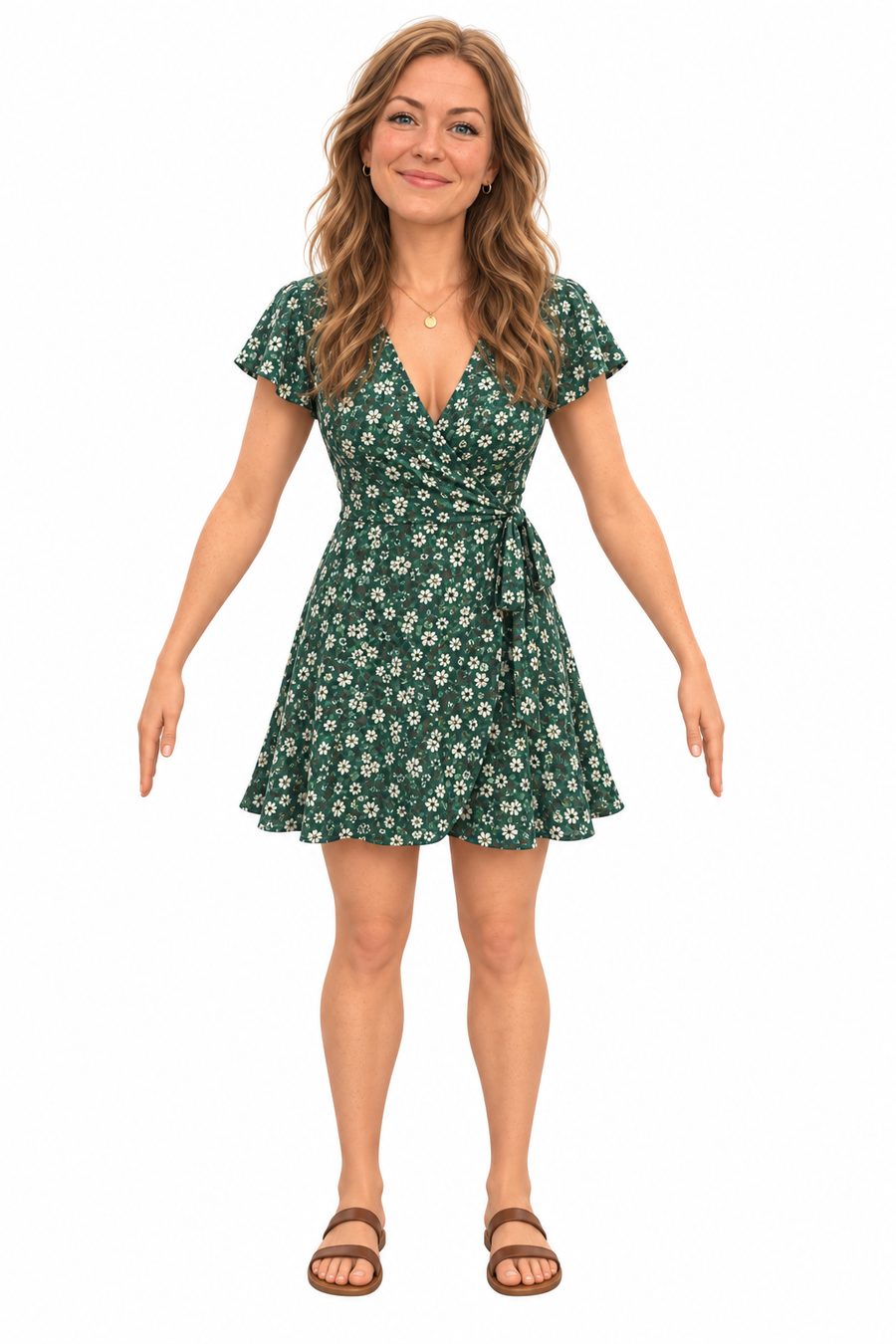
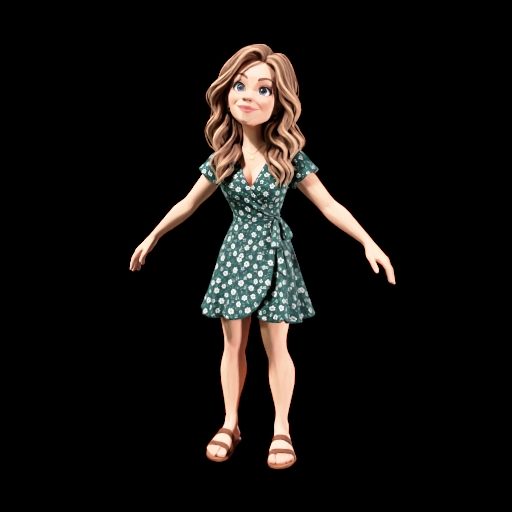

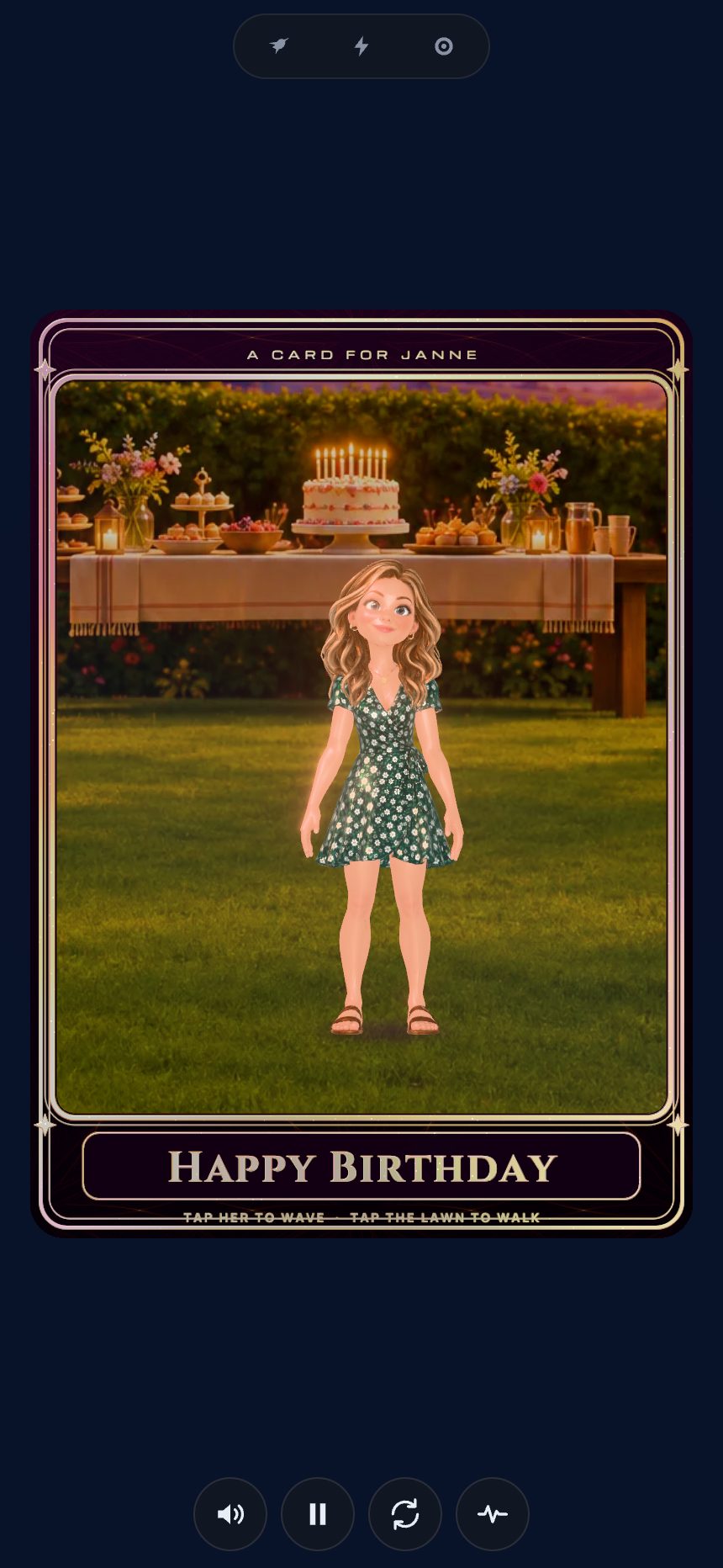
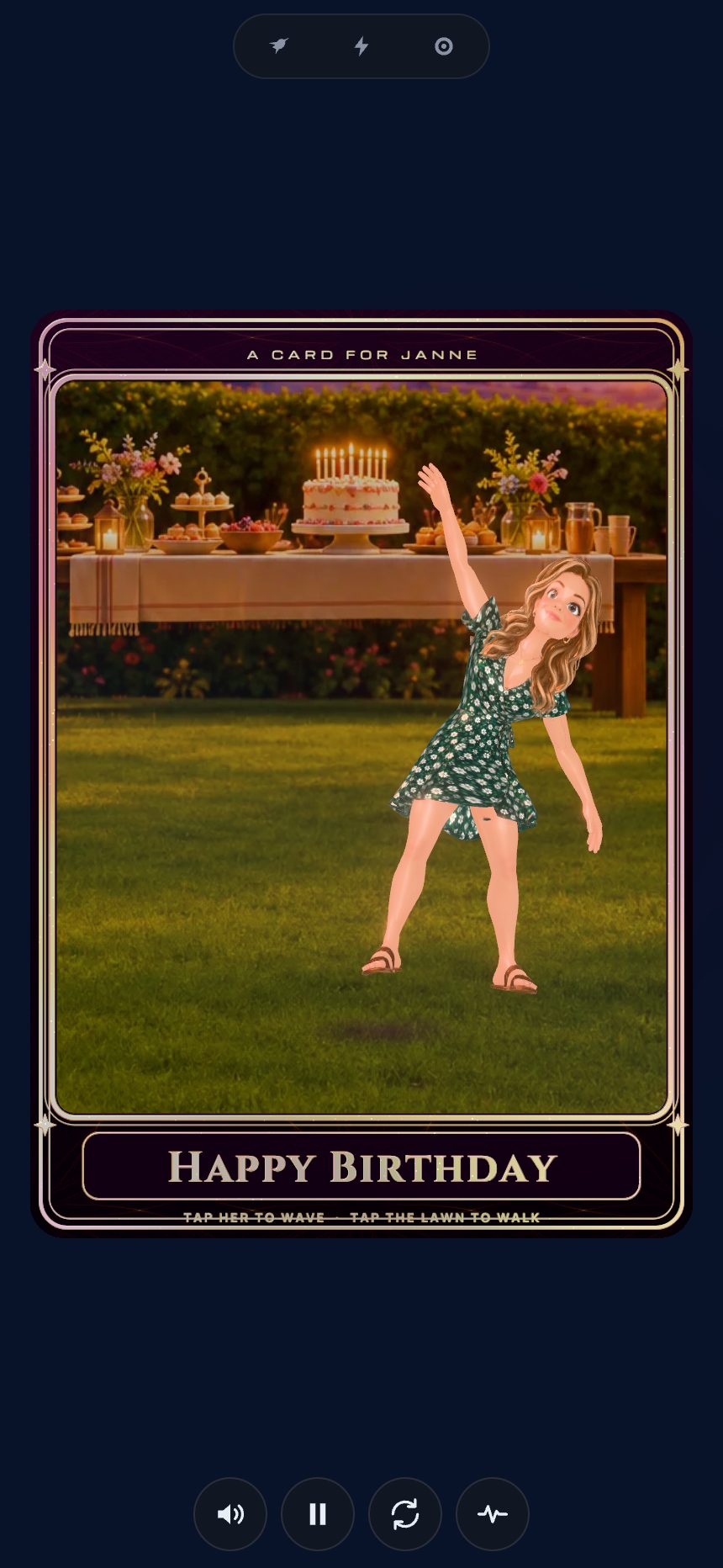
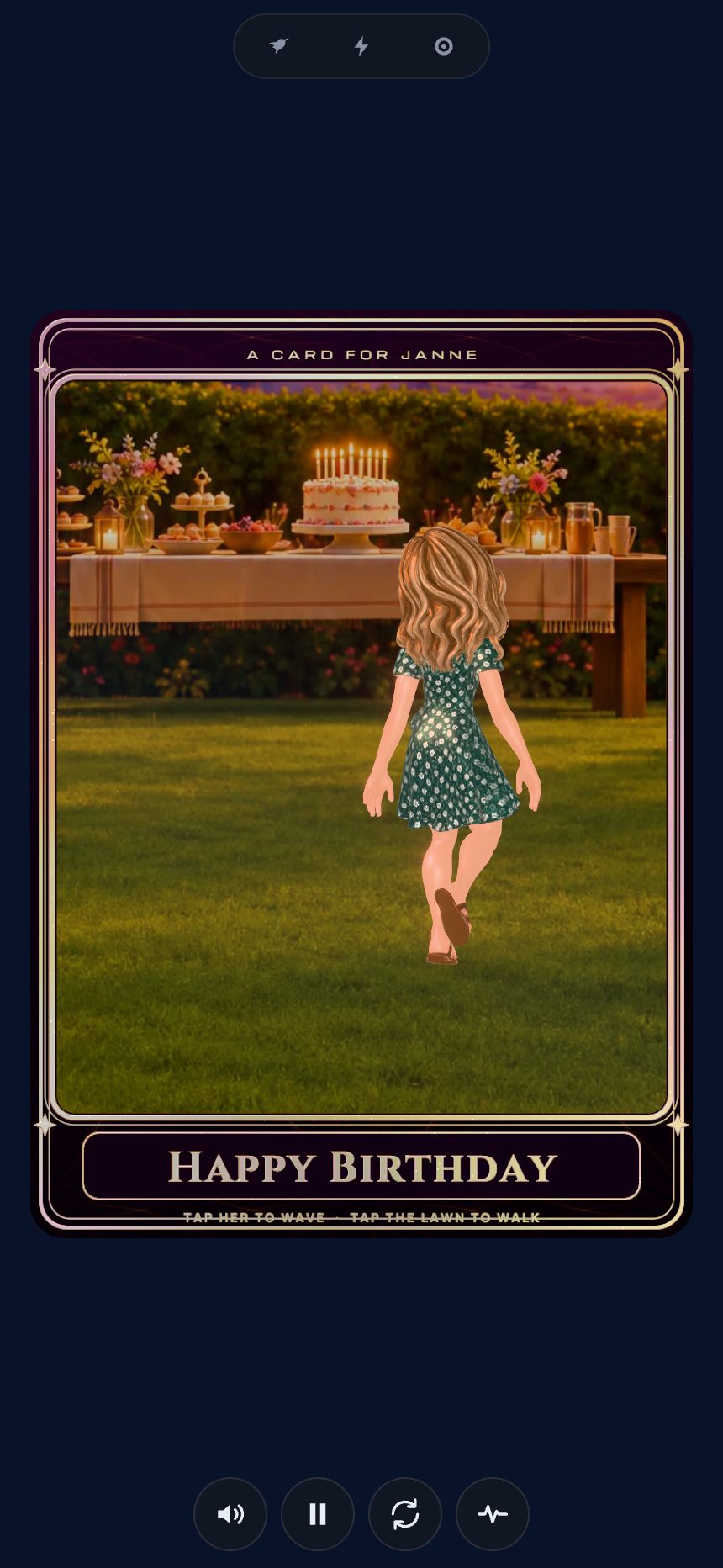
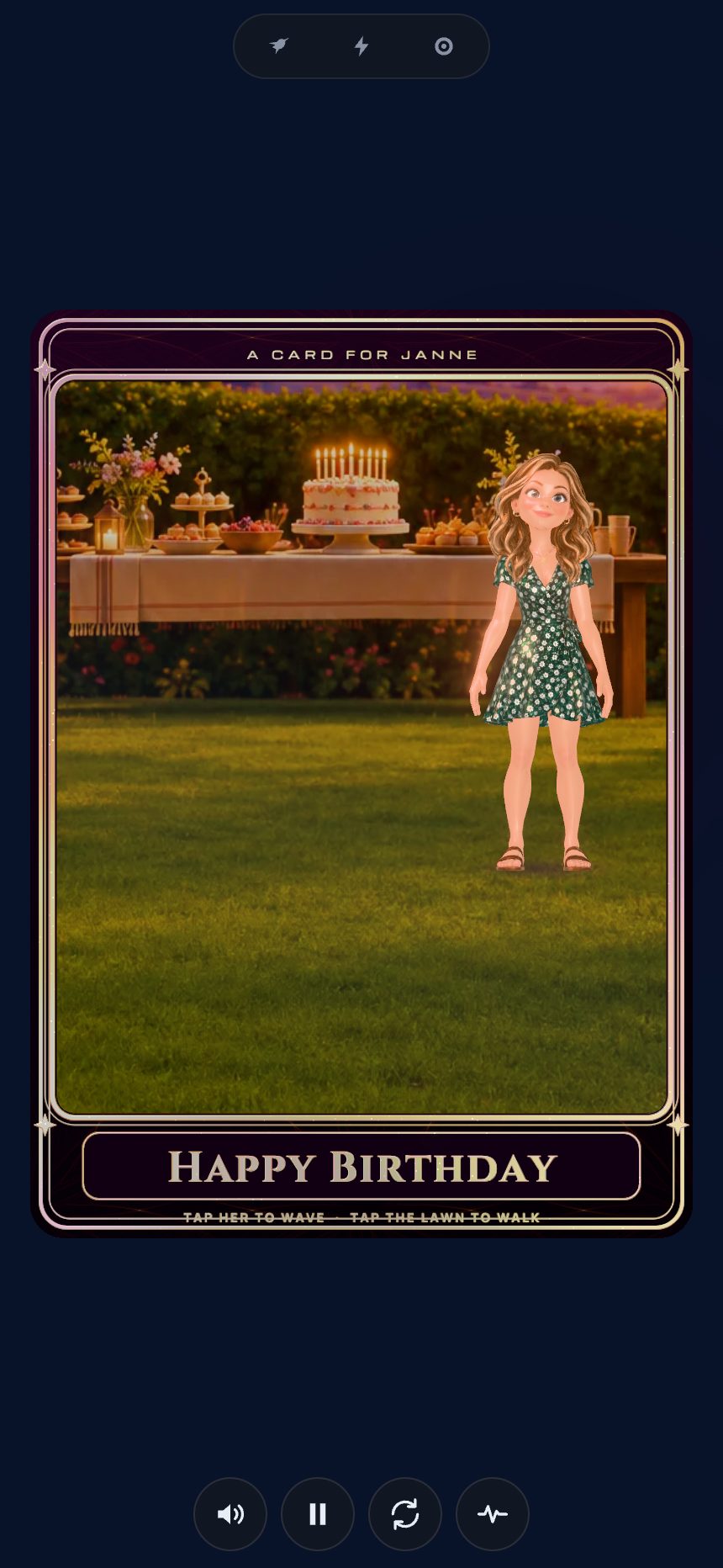
First reaction: Love it.
On a closer look the waving squashed her face, her feet did not sit on the lawn, and the flat painted background had no depth. The bigger worry: inventing a real person's body shape risks looking odd to them.
The photo itself, popped out with depth
The couple cut out of their photo and given real depth, so the card shifts as you tilt the phone. Two versions: their own garden behind them, or a pre-made mountain scene.

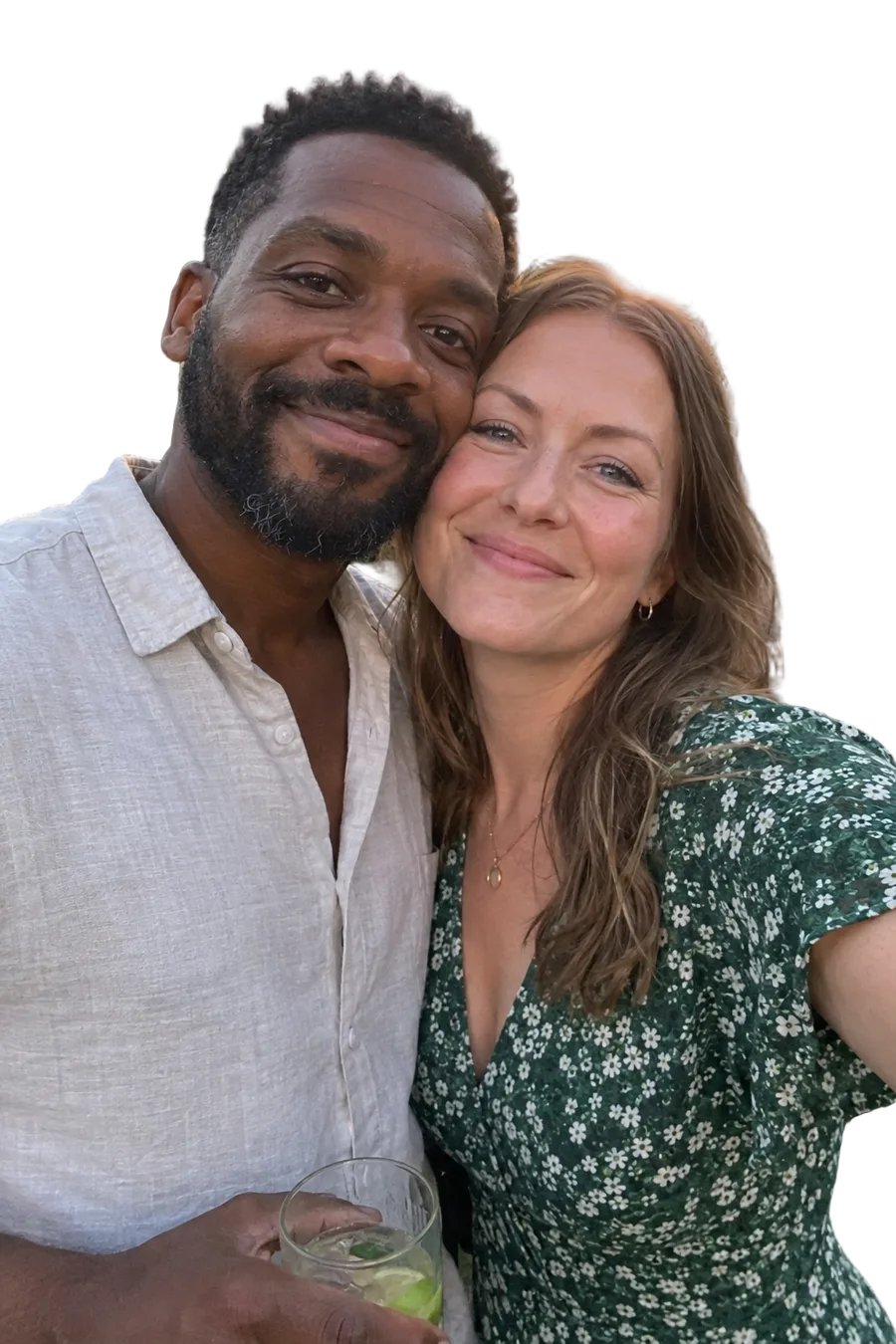
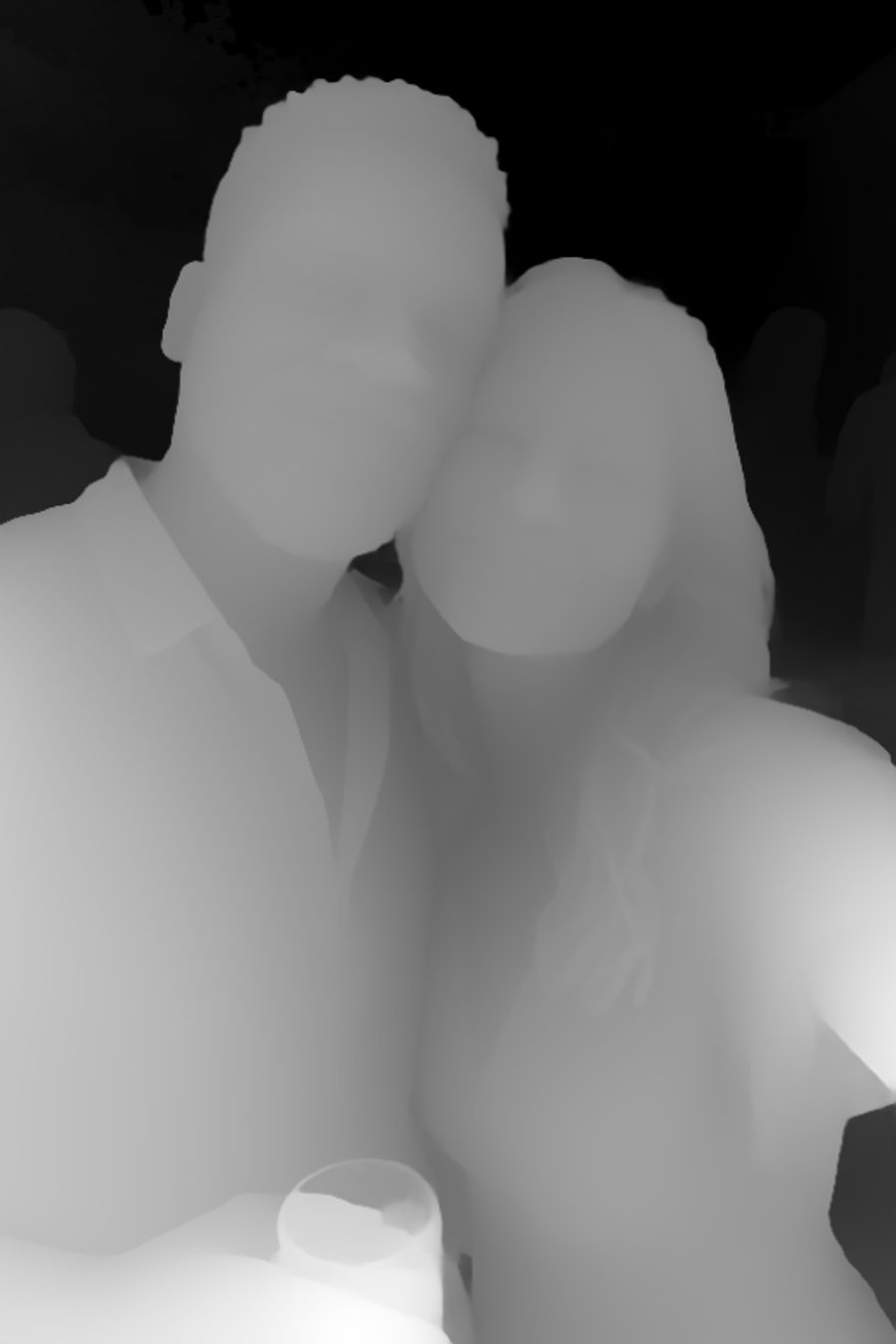



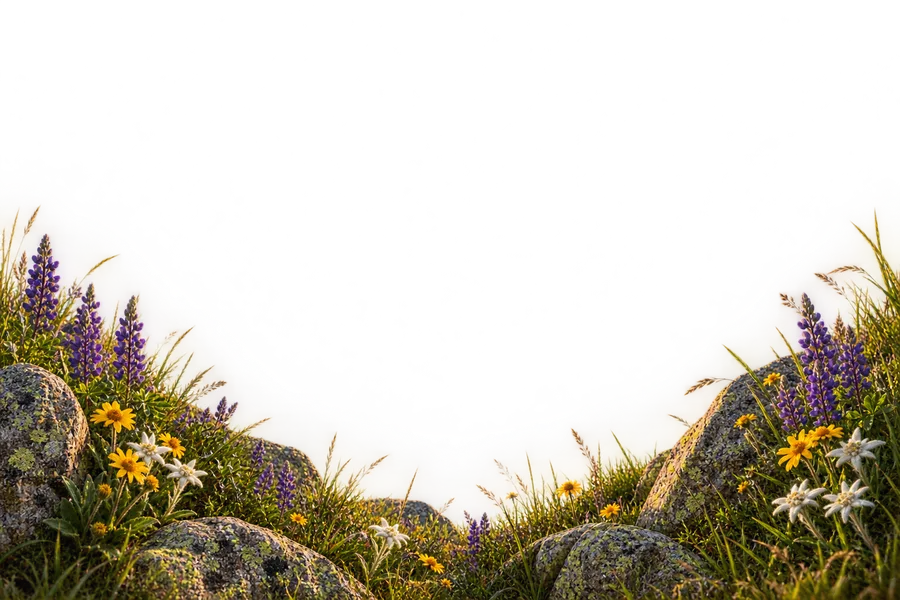
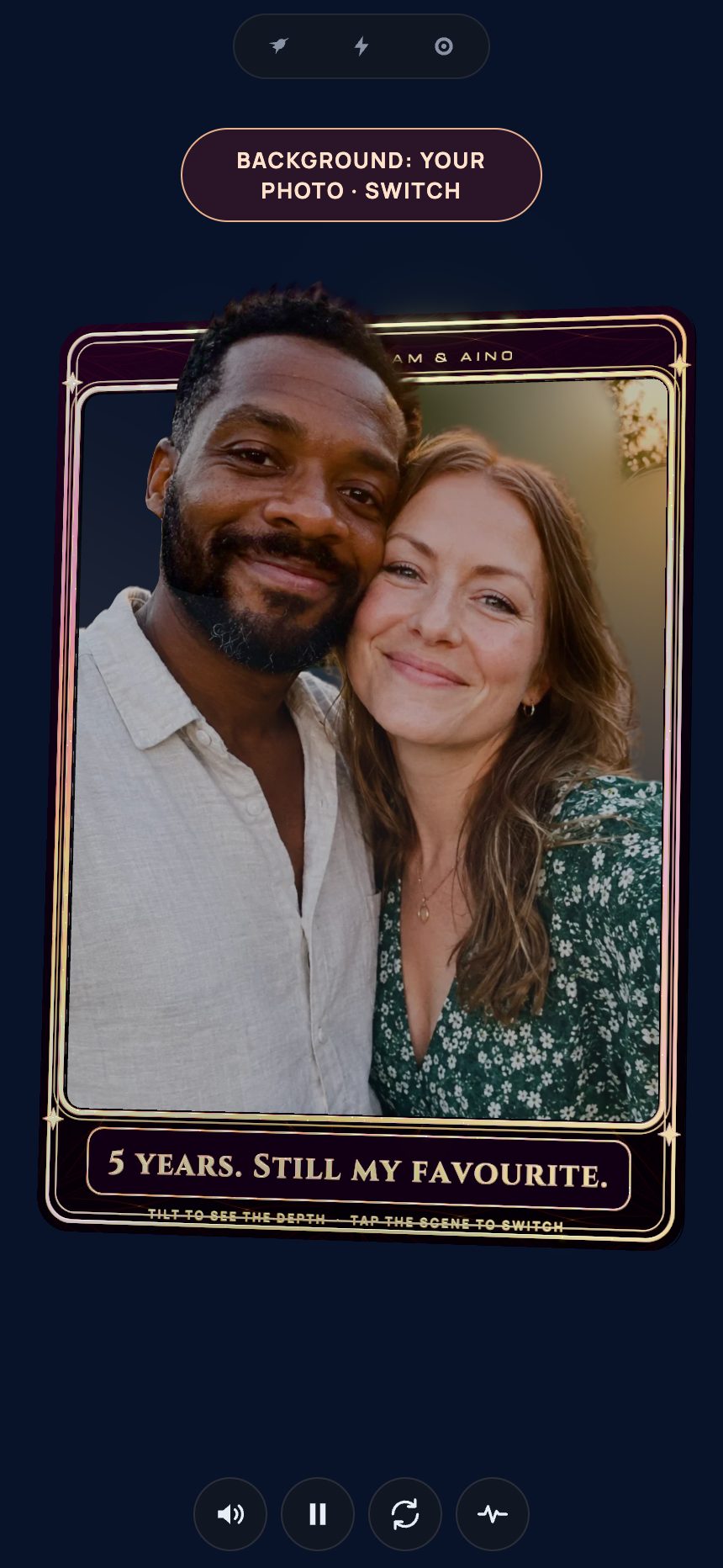
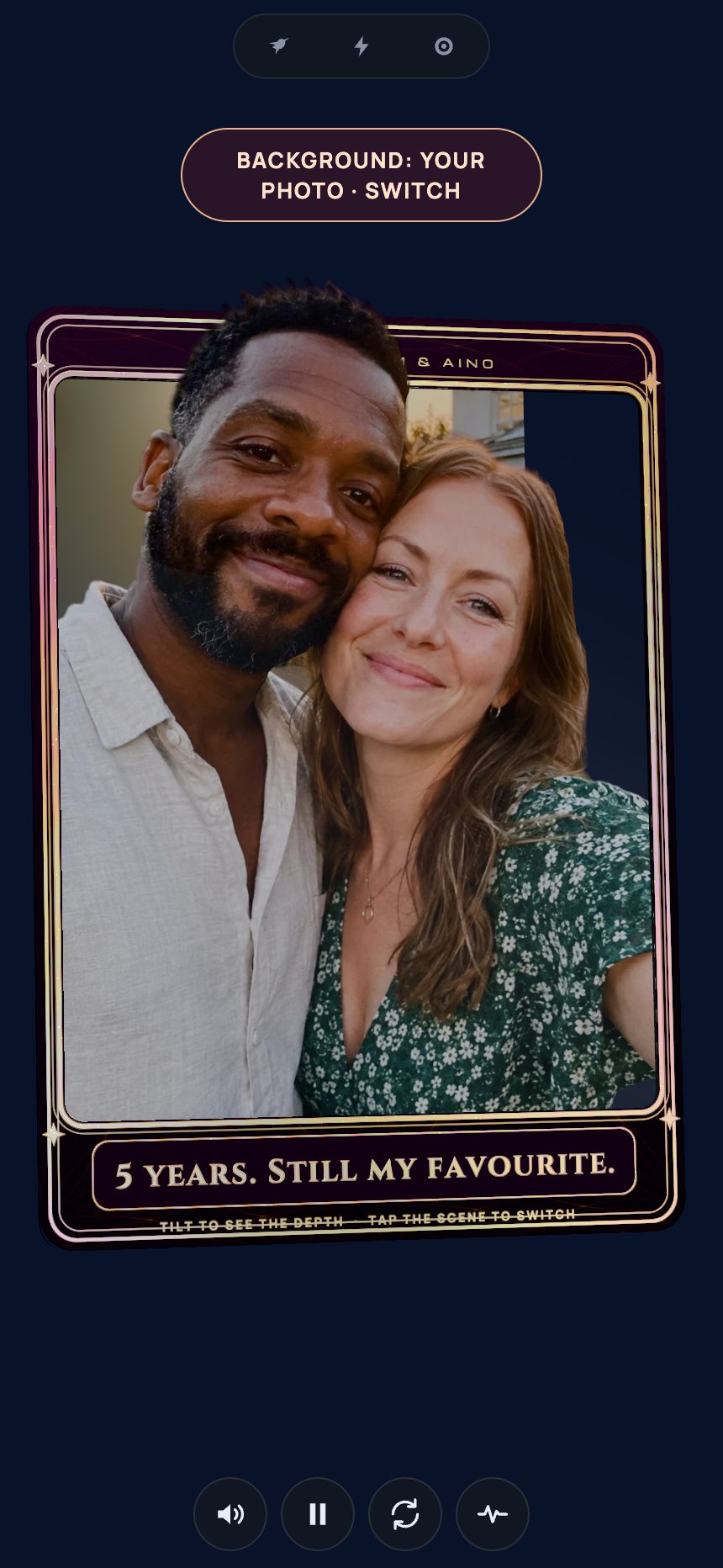
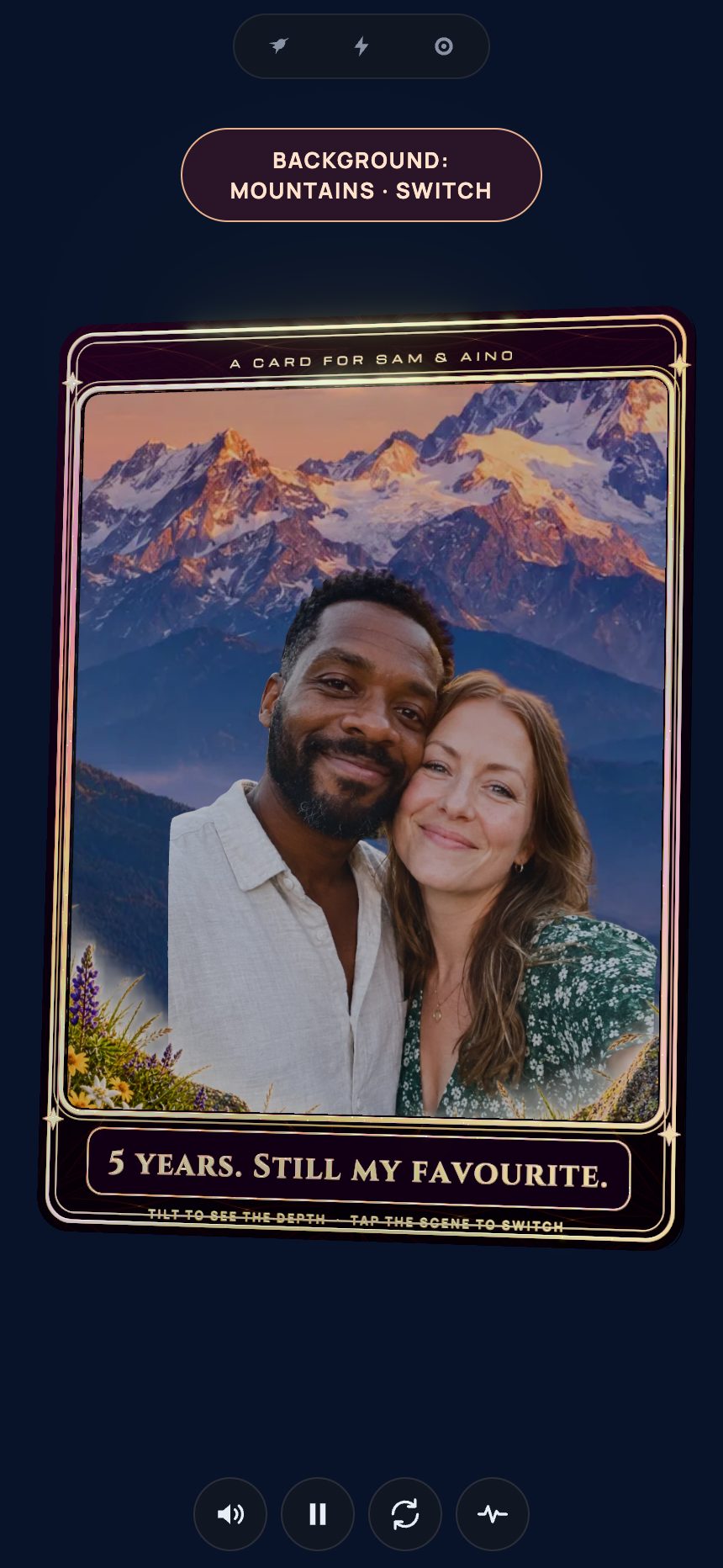
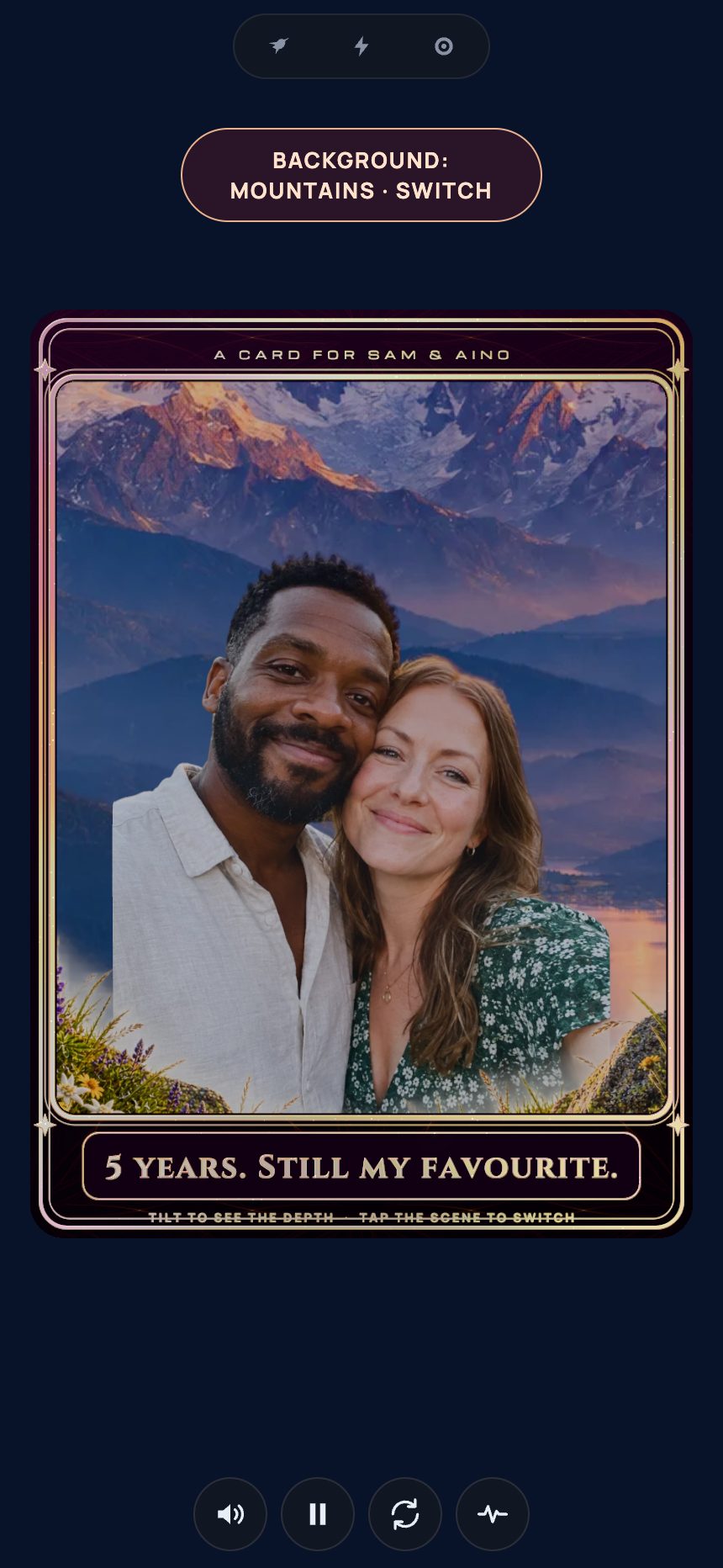
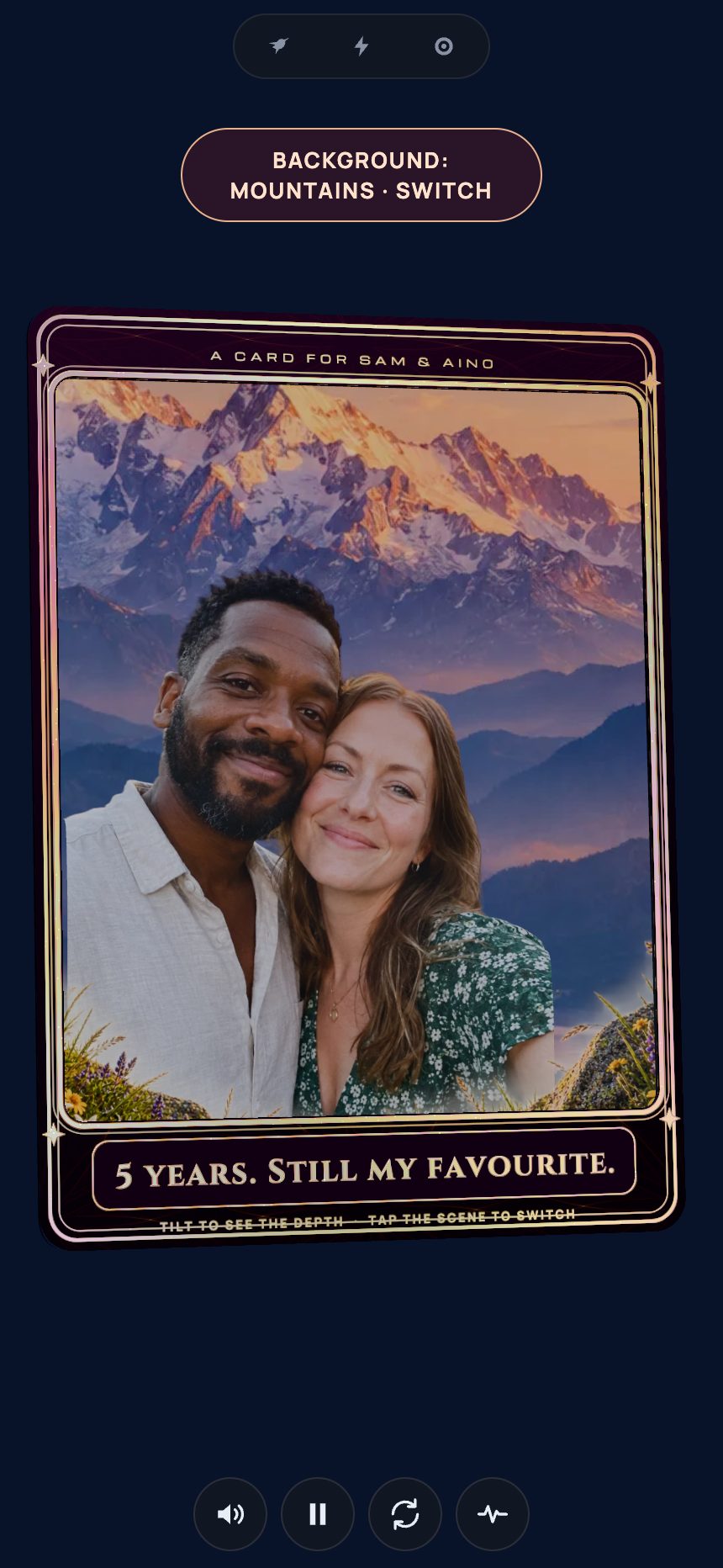
The 3D photoreal effect is not a goer.
A photo holds nothing past its own edges, so the depth always looks cut off unless AI invents the rest; real depth wants moving 3D people in the scene, not a flat photo. Dropped for good on 25 September.
A living photo, two ways
Keep the photo exactly as it is, and bring the faces to life. A: an AI video made from the photo, looping back to it. B: only the faces change, using a handful of still expressions stitched together in the card.












B felt more real, but not natural enough yet: blinks not at a human rate, smiles that snapped on and off, and too little body sway.
The living photo in a Christmas room
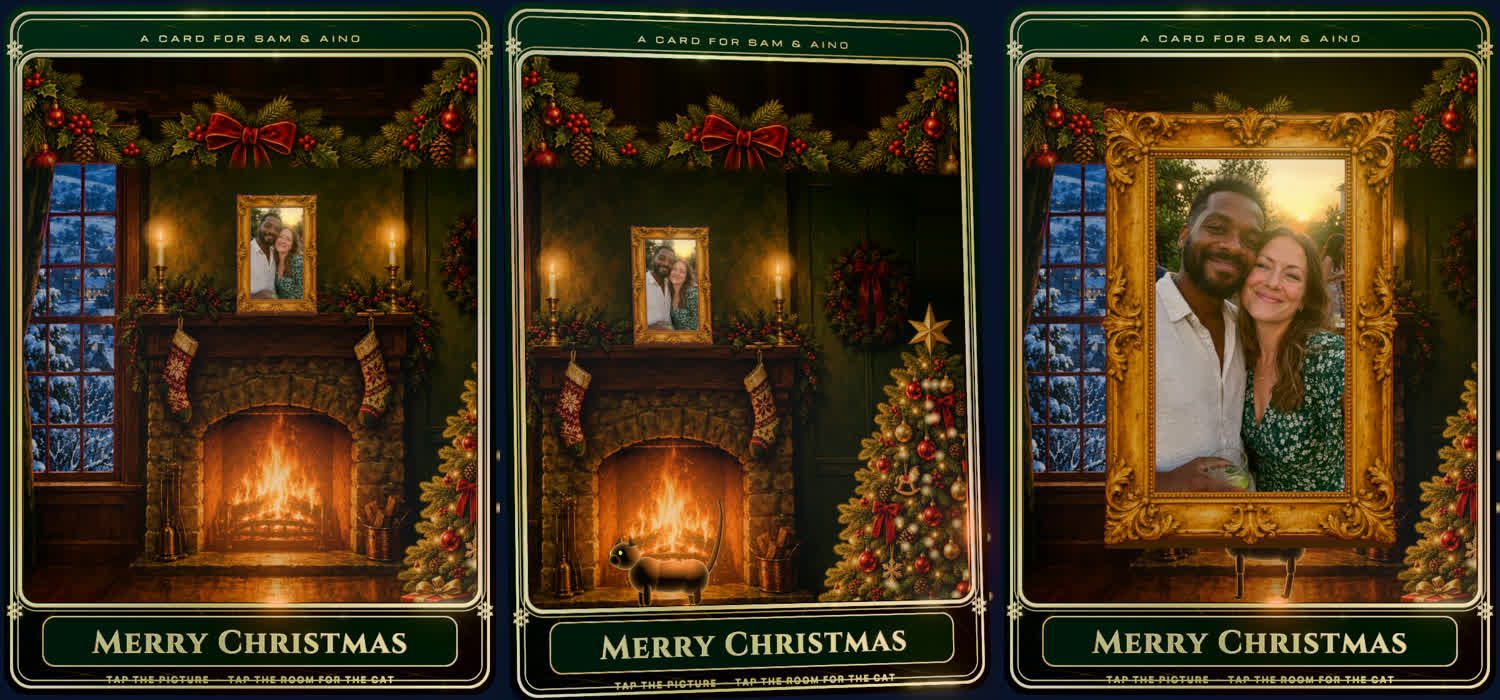
Where it led: the living photo hangs in a gilt frame above a painted fireplace, with fire, snow, twinkling lights and a little cat that walks in. Tap the picture and it floats forward to fill the card.
We're very impressed with what you have achieved.
Keeping the photo true, inside a living scene, became the direction, and led to the painted frames and then the space station.